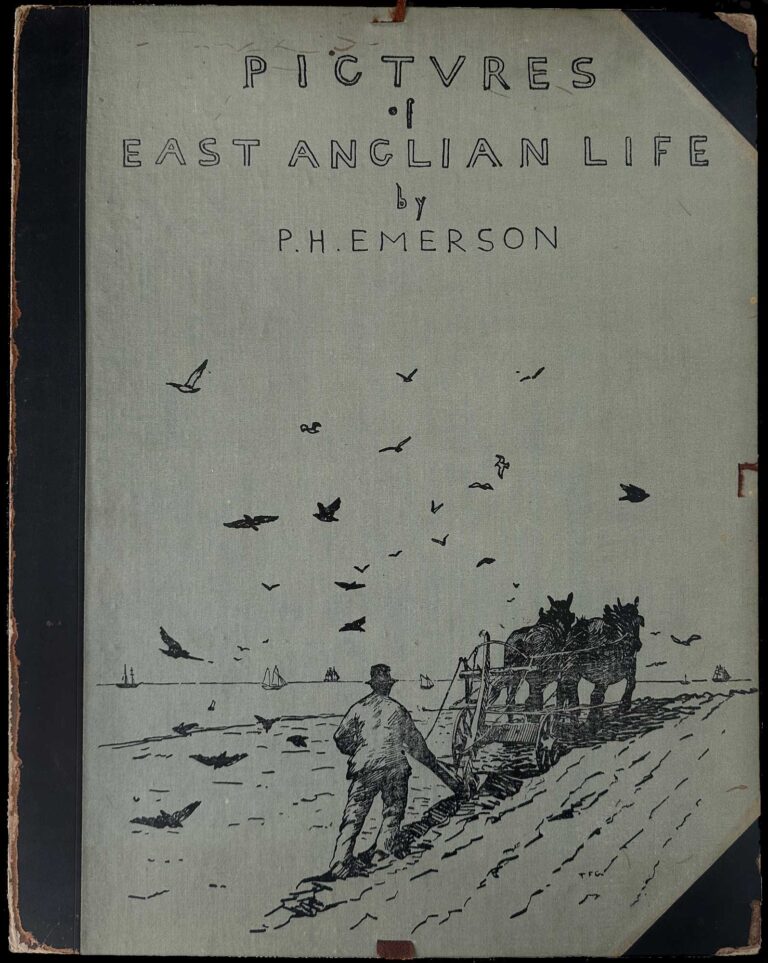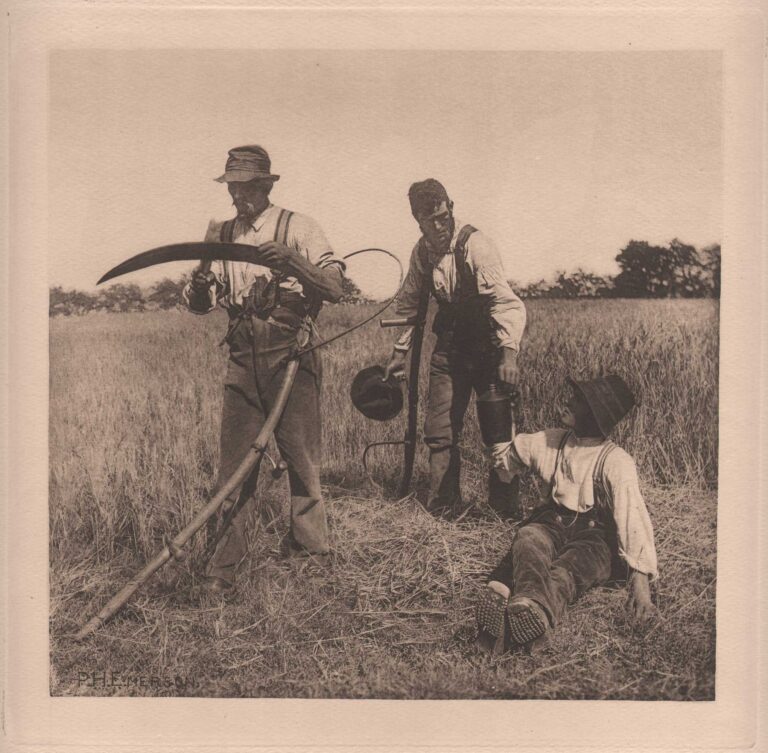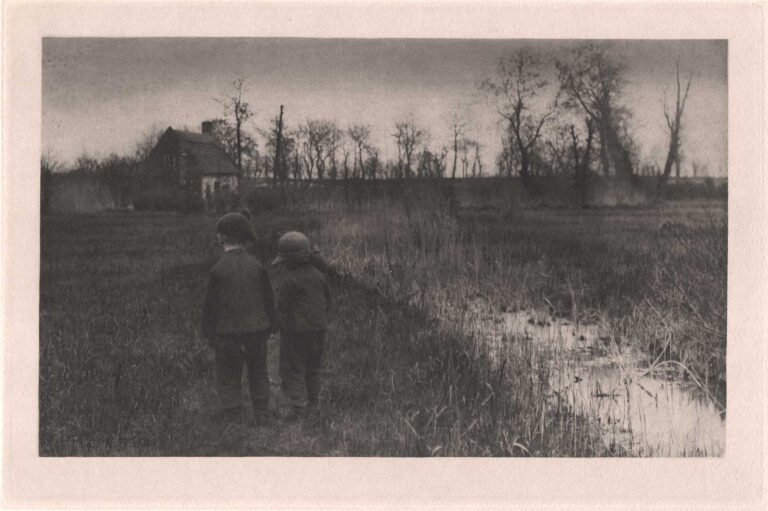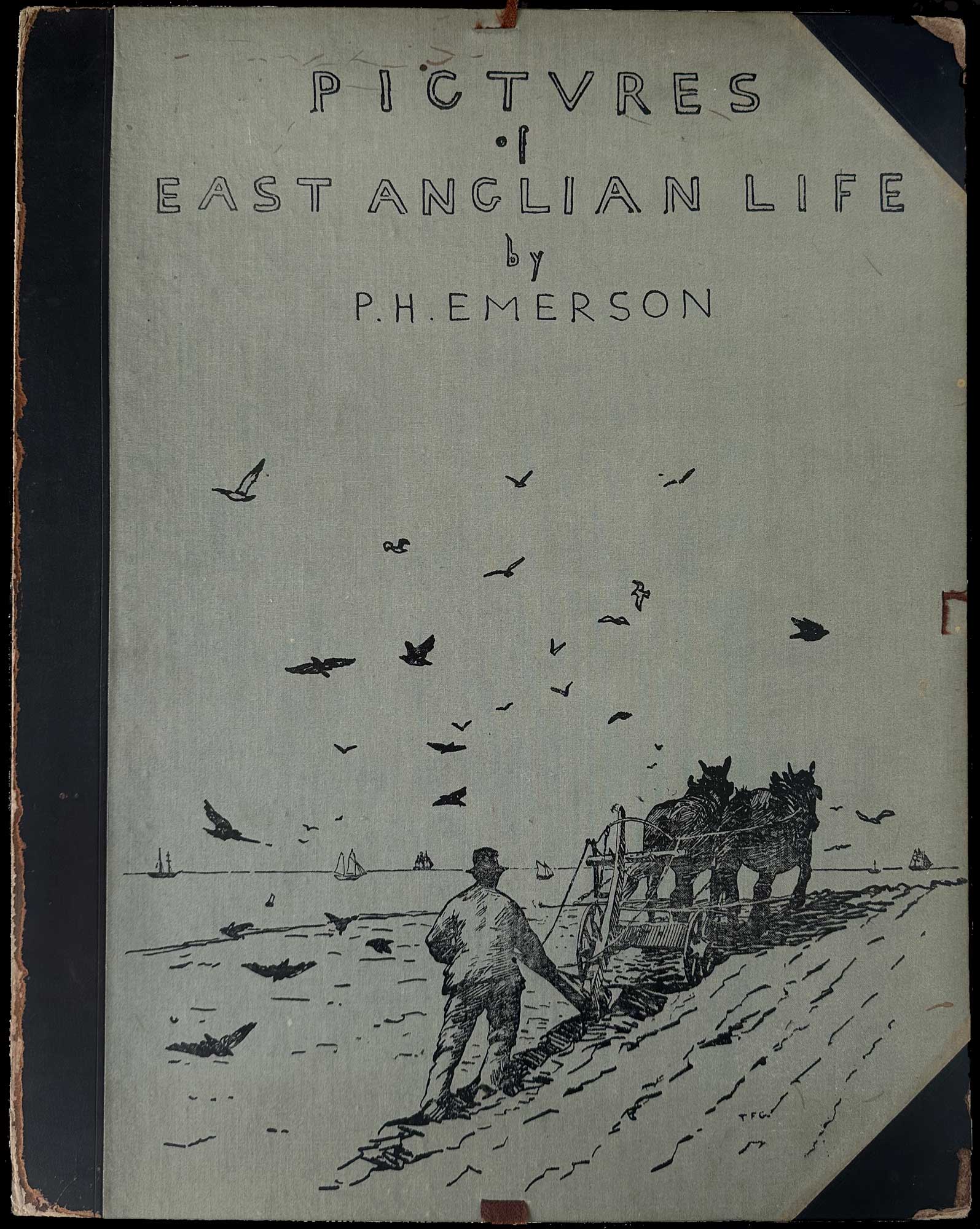
Pictures of East Anglian Life: Portfolio
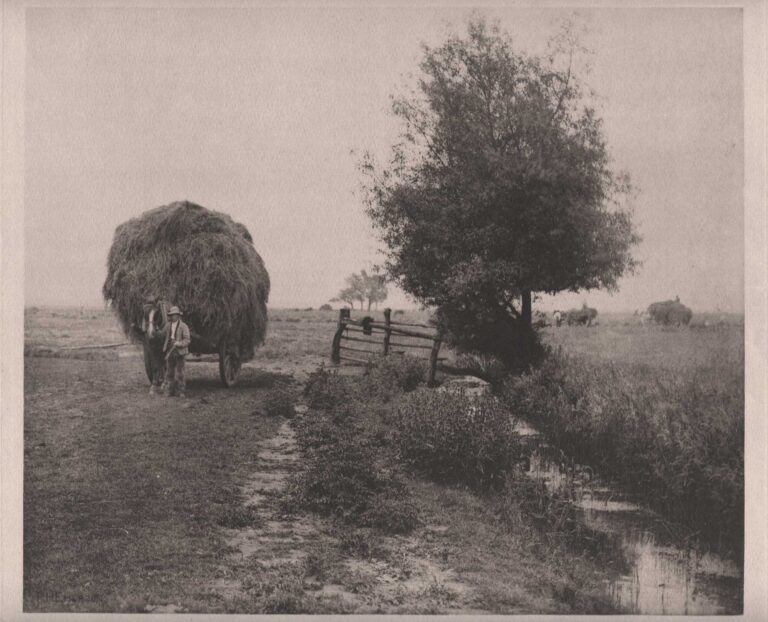
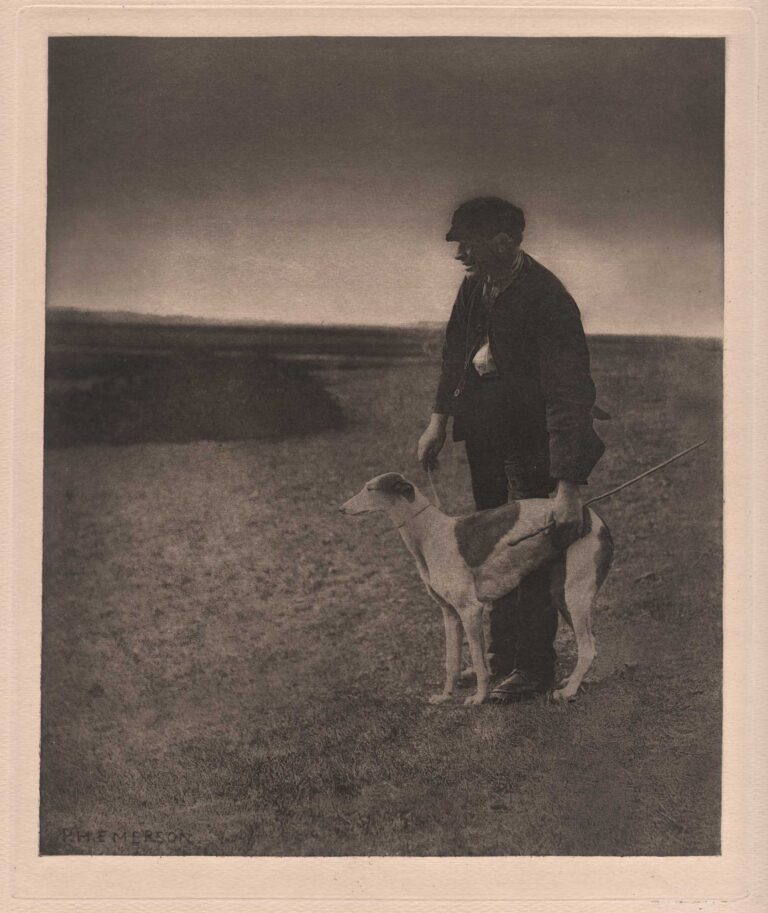
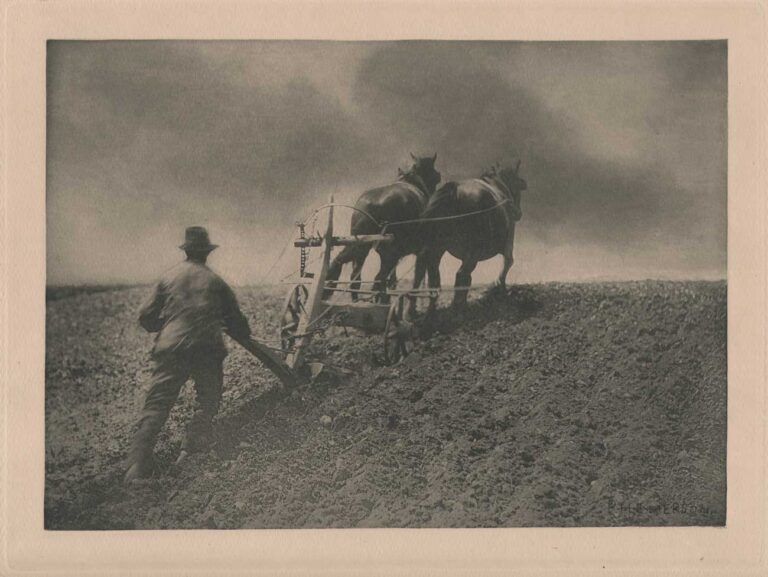
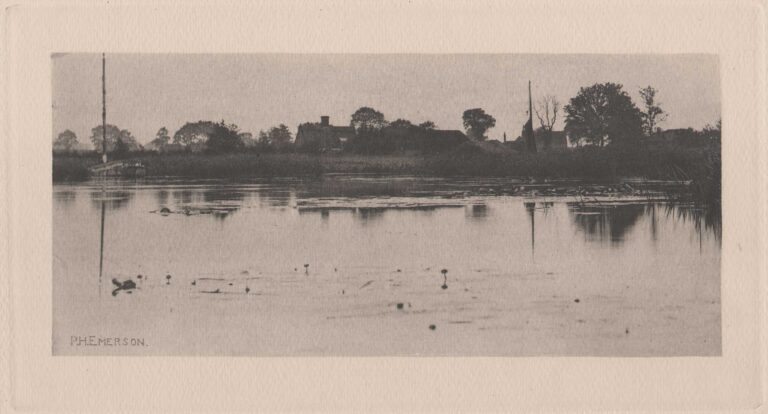
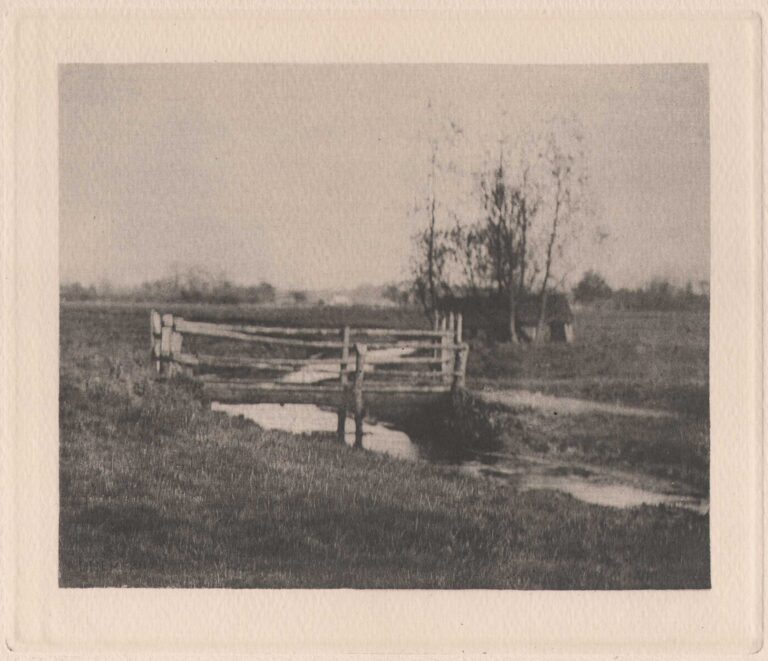
“My aim has been to produce truthful pictures of East Anglian Peasant and Fisherfolk Life, and of the landscape in which such life is lived.” — P. H. Emerson, 1887
The above quote by Peter Henry Emerson, (1856-1936) the British artist most associated with the photographic movement of Naturalism, appeared in the Preface to his 1888 volume Pictures of East Anglian Life. Photo critic Bill Jay, writing in 1970, describes the artist as “the first English photographer to work out a theory of naturalistic photography. His attitude and philosophy had a profound effect on the growth of good photography – he was a mainstream man when his colleagues were stagnating in backwaters“.
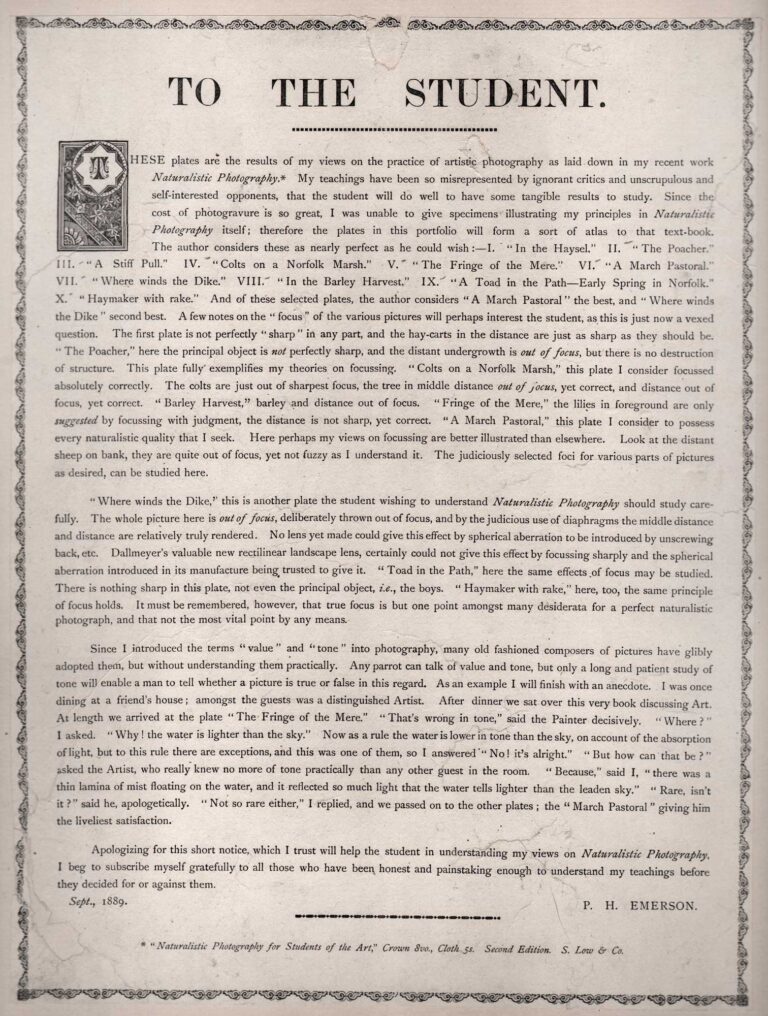
But exactly what is naturalistic photography? Straight photography for the most part, the sister to the art aesthetic of Realism, but for our purposes, a lost aesthetic: something that can be defined literally but which technology has forever disrupted. Initially, Emerson is reported to have been influenced by naturalistic French painting, but eventually soured on his early “straight” photographs, eventually adopting his own soft-focus aesthetic that involved selective optical focus to achieve his aims: “Before long, however, he became dissatisfied with rendering everything in sharp focus, considering that the undiscriminating emphasis it gave to all objects was unlike the way the human eye saw the world.” (1.)
In our modern age, where iPhone cameras combined with basic computer proficiency can create almost any photographic effect, the only hindrance to creativity is our own imaginations. But those were only dreams in the 19th Century, with theories and evolving advancements in cameras and optics the only way to achieve desired results on a photographic plate.
A doctor by training, according to the Encyclopedia Britannica: “Emerson soon became convinced that photography was a medium of artistic expression superior to all other black-and-white graphic media because it reproduces the light, tones, and textures of nature with unrivaled fidelity. He was repelled by the contemporary fashion for composite photographs, which imitated sentimental genre paintings. In his handbook Naturalistic Photography (1889), he outlined a system of aesthetics. He decreed that a photograph should be direct and simple and show real people in their own environment, not costumed models posed before fake backdrops or other such predetermined formulas.”
Photogravure.com informs us the volume “Naturalistic Photography examined his purist approach to photography, derived from his fascination with Naturalism in art, and attacked the prevailing artificial aesthetic in art photography.”
But Emerson’s theory seemingly lead to more questions than answers as they were disbursed in the photographic press.
Correcting the Record: 1890 Portfolio from 1888 Plates
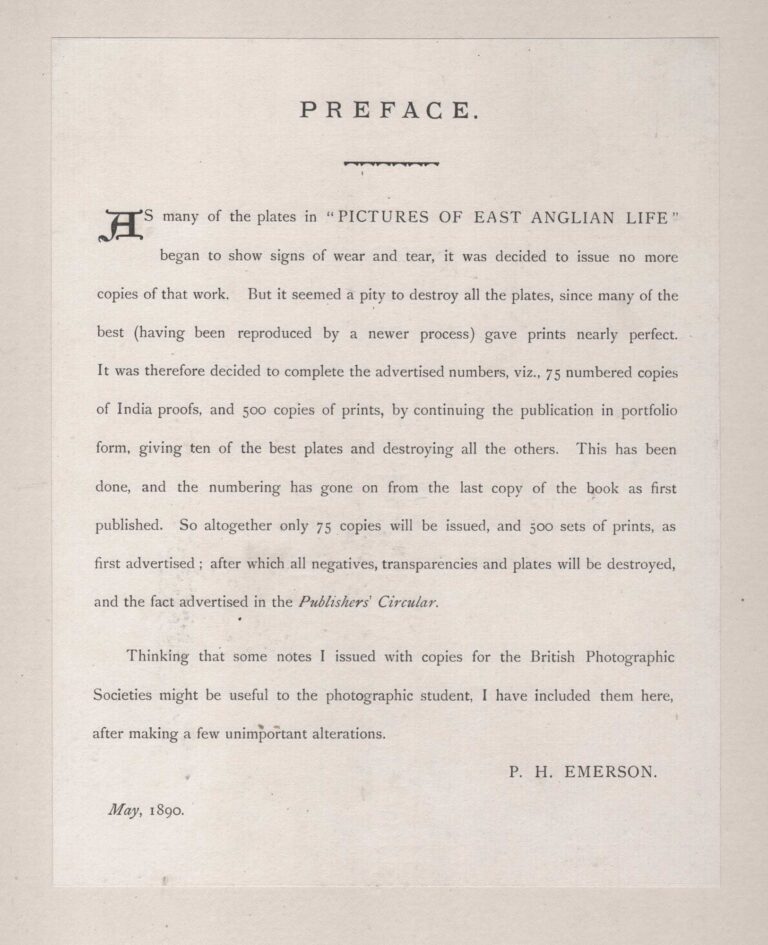
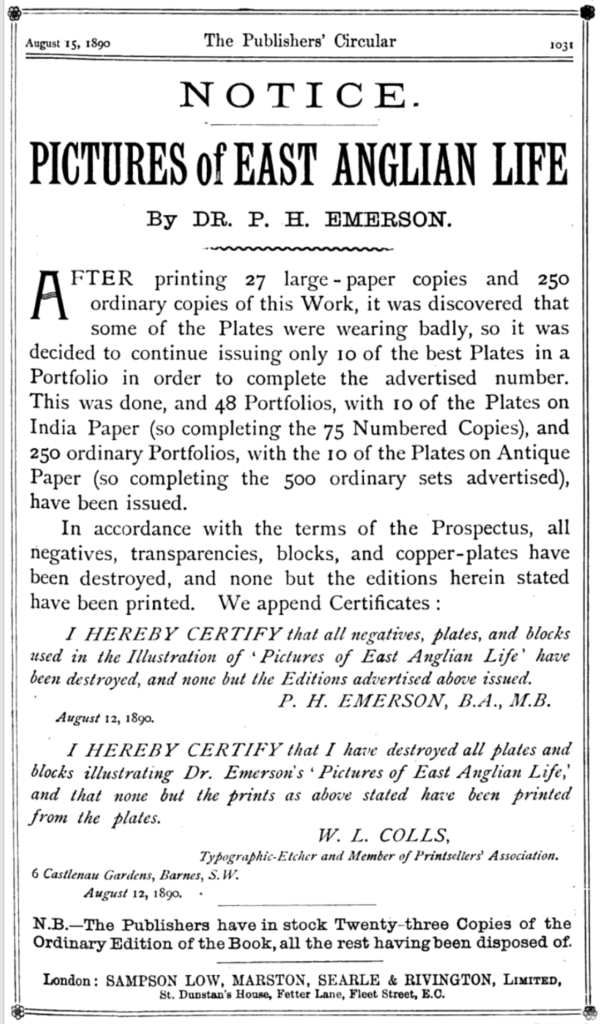
In order to clarify his own beliefs on Naturalistic photography, (the 1889 volume did not include illustrations) in May 1890, Emerson issued this portfolio, a later advertisement in the August 15, 1890 issue of The Publishers’ Circular stating:
“Plates were wearing badly, so it was decided to continue issuing only 10 of the best Plates in a Portfolio in order to complete the advertised number. This was done, and 48 Portfolios, with 10 of the Plates on India Paper (so completing the 75 Numbered Copies), and 250 ordinary Portfolios, with the 10 of the Plates on Antique Paper (so completing the 500 ordinary sets advertised), have been issued.”
This second edition of select plates from Pictures of East Anglian Life acted as a teaching guide of sorts: “that best illustrated his theories, and presented them loose in a portfolio dedicated to the ‘photographic student’, with the same title and cover of the book. He then donated copies of this portfolio to every photographic society in the country.” (Photogravure.com)
To make matters even more complicated, the artist would go on to renounce his own theories later that year, issuing in January 1891 a pamphlet done up as a death notice titled: “The Death of Naturalistic Photography”. The work had been written on a London holiday the previous December, while taking a break from his year-long journey on the Norfolk Broads aboard the wherry The Maid of the Mist. The timing was also significant: these photographs would be his last published work- illustrating his final two volumes: On English Lagoons, (1893), and Marsh Leaves (1895).
Photographic historian Carl Fuldner has done a deep dive (2.) on the artist’s recantation, noting the 1891 pamphlet was addressed to “his fellow photographers in a histrionic tone that left some questioning his sincerity, Emerson recanted his teachings and withdrew Naturalistic Photography. He mailed copies of the notice to the editors of each of the major British and American photography journals and promptly departed again for the Broads on 19 January 1891, having been in London for a month.” In summary, Fuldner notes: “Emerson’s dramatic recantation of his beliefs about photography and art functions as a pivotal episode in standard retellings of the modernist history of photography. It serves to position Emerson as a hinge between nineteenth-century Victorian and twentieth-century modern aesthetic sensibilities.”
- Jeffrey, Ian (2008). How to Read a Photograph. London: Thames & Hudson. pp. 26–27.
- Carl Fuldner, ‘Emerson’s Evolution’, in Tate Papers no.27, 2017 https://www.tate.org.uk/research/tate-papers/27/emersons-evolution, accessed 28 September 2025. Fuldner dissects Emerson’s interest in Hermann von Helmholz’s theory of perception, and Herbert Spencer’s The Principles of Psychology, amongst other scientific texts on perception.