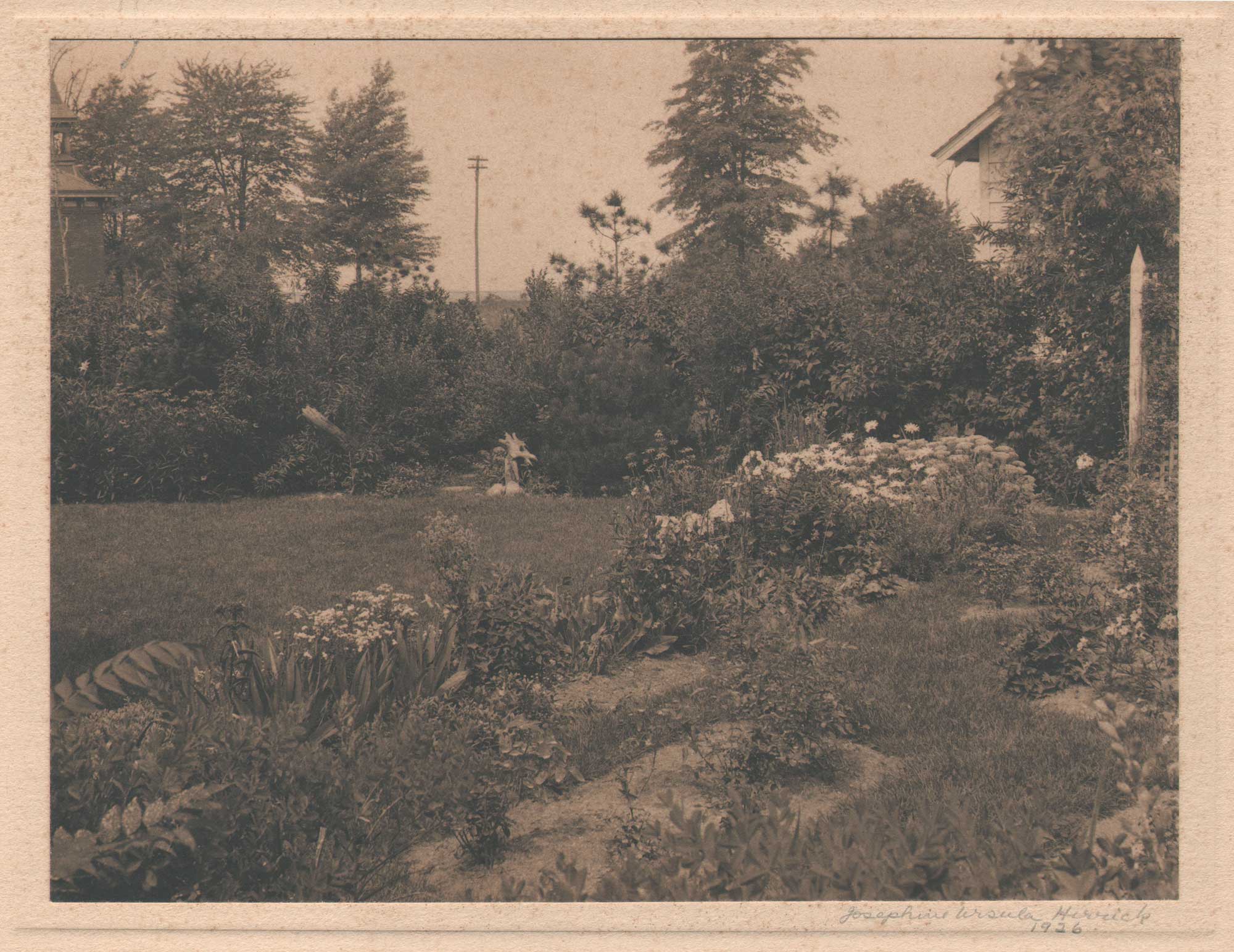
Estate Garden Landscape
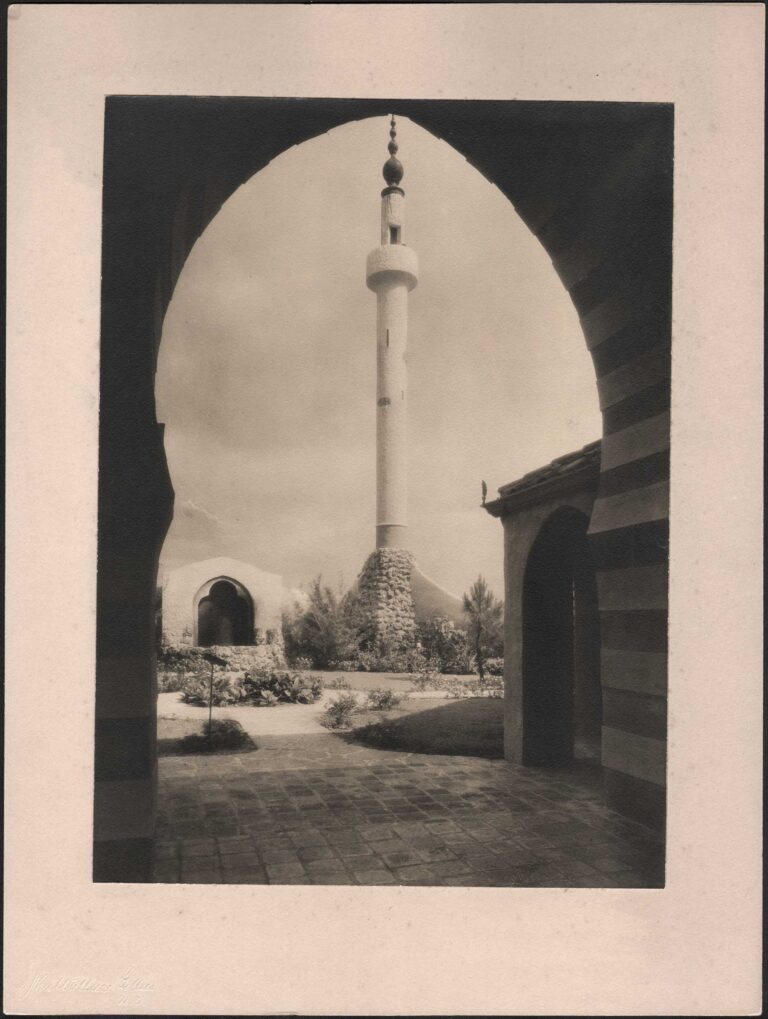
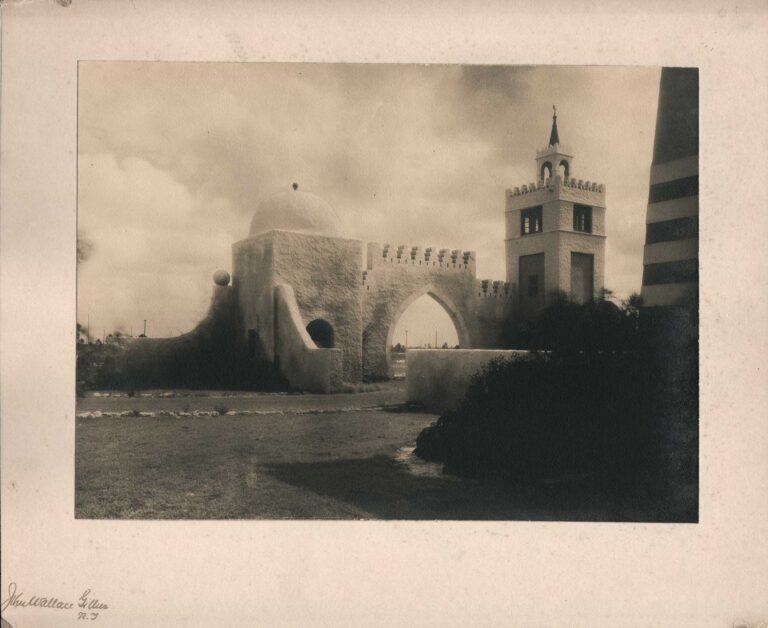
Perhaps a commissioned work of an estate garden, the artist was living in New York City when this photograph was taken, although she retained familial ties to the greater Cleveland, OH area. Because of this connection, its not surprising Herrick was a regular entrant and exhibitor to the Cleveland Museum of Art’s annual May arts show, which included photography. Wikipedia notes this was “an annual juried exhibition of the works of northeastern Ohio artists” and she had been an entrant “beginning in 1924 and continuing into the late 1930s”. Can you spot the dragon?
Josephine Ursula Herrick: 1897-1972
A 1924 graduate of the Clarence H. White School of Photography, Herrick was an American photographer, humanitarian, entrepreneur and teacher who later served during World War II as a photographer on the United States’ Manhattan Project which developed the atomic bomb. Herrick’s legacy is more profound however, pioneering the teaching of photography to wounded war veterans for the purpose of helping them heal their physical and emotional wounds and re-engage with the world.
Josephine Herrick Project
Herrick’s work continues today through the Josephine Herrick Project. From the organization’s New York City website, we learn:
With roots dating back to 1941, Josephine Herrick Project (JHP) began as a volunteer service charity that provided free programs to wounded veterans to support their rehabilitation and transition to civilian life. New York City photographer Josephine Herrick taught our first course, in defense photography, under the auspices of the War Service Photography Division of the American Women’s Voluntary Services. In these early years, War Service Photography received assistance from the Camera Club of New York.
WARTIME
After the United States joined World War II in December 1941, Herrick organized a group of fellow volunteers to photograph servicemen at canteens. Their mission: to make portraits of those headed overseas and send the photos home to their families with an attached personal note. This was their heartfelt attempt to keep families united and to raise spirits during a time when war brought so much uncertainty and distance. Herrick soon started receiving moving letters from the families with thankful expressions of the importance of the photographs and notes.
This trailblazing humanitarian with a camera continues to change lives through the non-profit foundation bearing her name in the 21st Century:
WHAT WE DO
Making photographs transforms people’s lives. For eight decades, the Josephine Herrick Project (JHP) has done just that. We teach photography to and exhibit work by people from a broad range of under-resourced communities. Our program participants include children in culturally diverse and low-income neighborhoods; immigrant and refugee teens; youth and adults with cognitive, emotional, or physical disabilities; military veterans; vulnerable seniors; and people of all ages living in public housing. We show their photography in public spaces and places, including cafes, libraries, galleries, streets, and parks—both in the communities where they live, study, or work and outside their neighborhoods, where they may draw larger, more diverse audiences to their work.