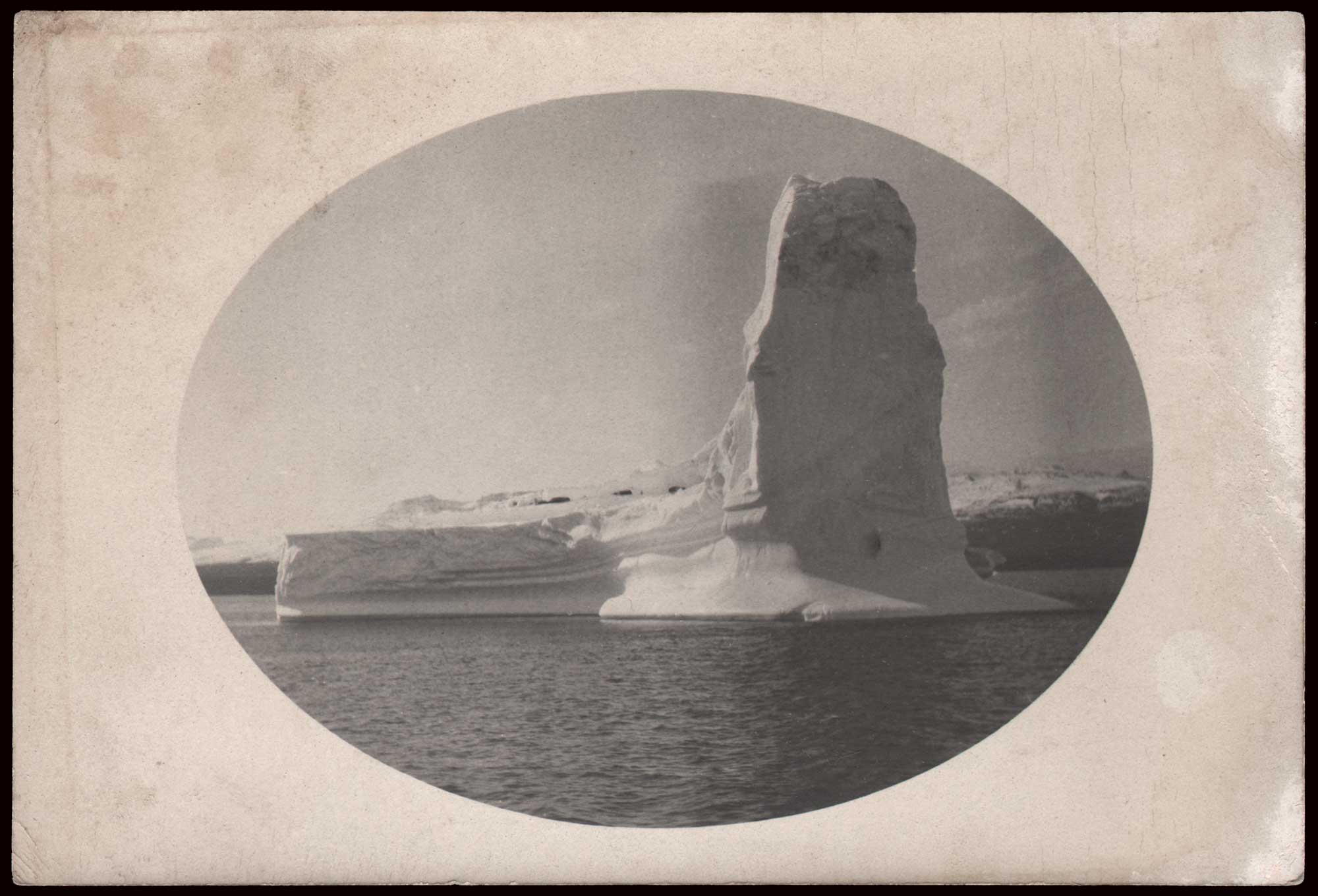
“Iceberg off Greenland”, 1901, printed c. 1901-05. Attributed: Limond Corbin Stone, (1873-1951) American, bromide print, 8.5 x 11.4 | 10.2 x 15.0 cm. From: PhotoSeed Archive
Greenland is back in the news for all the wrong reasons. An autonomous territory of the Kingdom of Denmark, the world’s largest island is therefore a member of NATO. But you probably already knew that. I’m only being clever with the first word in the title of this post. This distinctly American acronym has nothing to due with floating icebergs, so let’s just assume it’s a stand in for the act of mayhem. In the present dystopian state of our American government, the head “decision maker” could not be more wrong in a delusional, anti-sovereign, Might Makes Right, smash and grab doctrine now making headlines.
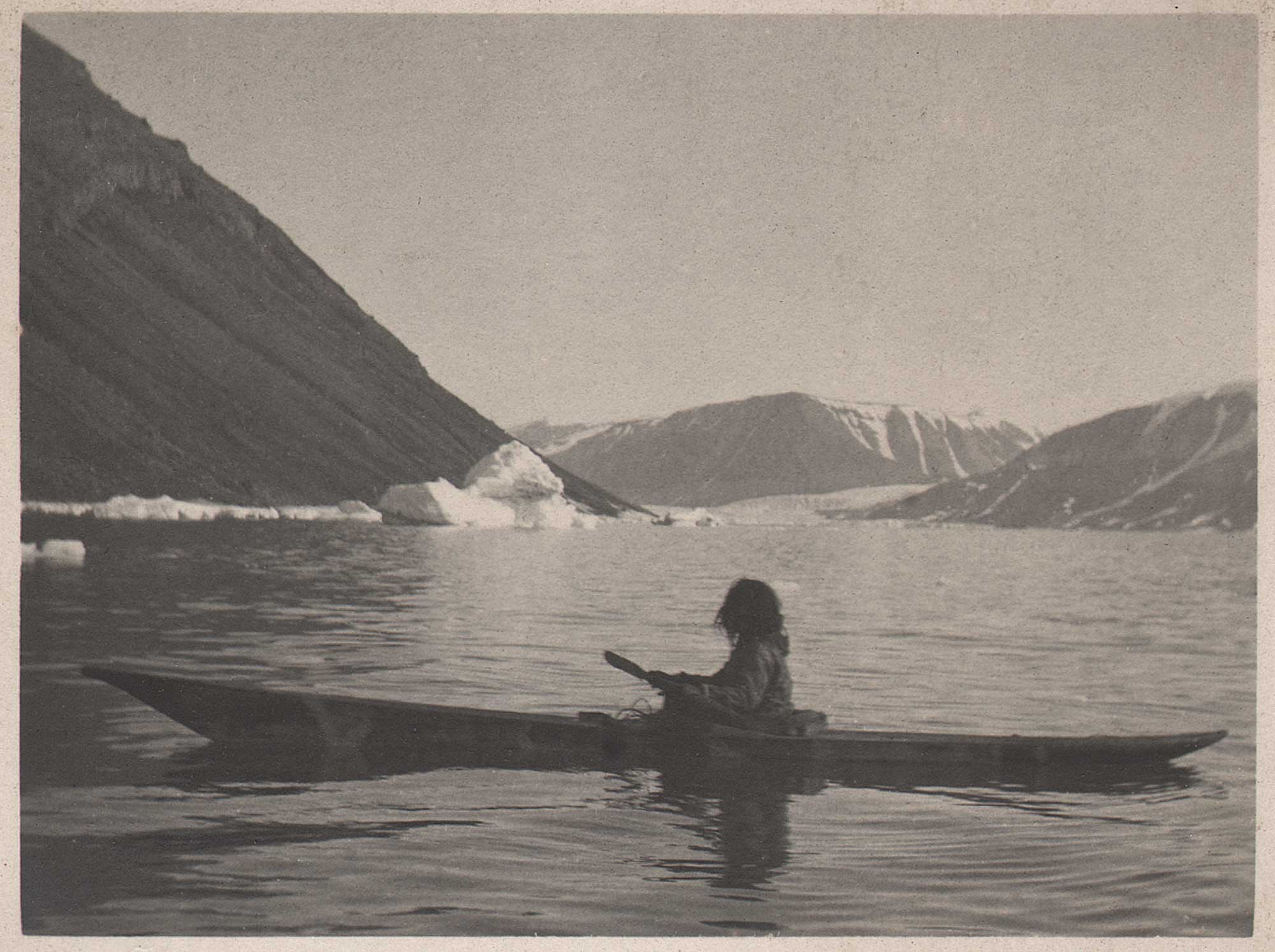
“Ootoniah at Nerke, Glacier”, 1901, printed c. 1901-05. Attributed: Limond Corbin Stone, (1873-1951) American, bromide print, 7.3 x 9.8 | 10.2 x 15.0 cm. Known today as Neke, the settlement of Nerke in northwestern Greenland was located near the Morris Jesup Glacier. Neke is not to be confused with Nuuk, Greenland’s capital and city located near the island’s southern tip. From: PhotoSeed Archive
But I digress. This archive aims to educate, inspire, and occasionally, in this case, to offer a history lesson. To this end, I recently discovered new significance for a series of photographs I’m attributing to amateur photographer Limond Stone from my archive once owned by American photographer Charles Rollins Tucker. (1868-1956) They turned out to be rare documents of Greenland from 1901, in which a party had set out aboard the steamer Erik with the intent of rescuing famous Arctic explorer Robert E. Peary, (1856-1920) once widely credited as being the first to reach the North Pole in 1909.
In the summer of 1901, according to the 2002 volume Boreal Ties: Photographs and Two Diaries of the 1901 Peary Relief Expedition, five paying guests, for the most part wealthy New Yorkers and amateur photographers, became “adventure tourists” as they headed to Greenland as part of the rescue effort, with as many as four bringing along multiple Kodak cameras to document the voyage. In Boreal Ties, written by Kim Fairley Gillis & Silas Hibbard Ayer III, who are descendants of two of those guests, Clarence F. Wyckoff, 1876-1933 and Louis C. Bement (1865-1933) we learn:
“The voyage was designed to bring supplies to explorer Robert E. Peary and to find Peary’s wife and daughter, who had departed on Peary’s ship Windward the previous summer and had not returned. When the relief party reached the Arctic, they discovered the Windward trapped in ice but the ship intact and all on board safe. Unlike Antarctic explorer Ernest Shackleton’s ill-fated vessel Endurance, Peary’s ship became ice-locked close to land. Consequently the passengers and crew easily walked back and forth on the ice to shore, where a community of Inuit helped to provide them with food and warm clothing. The Windward and the Erik sailed back together to America in August 1901.”
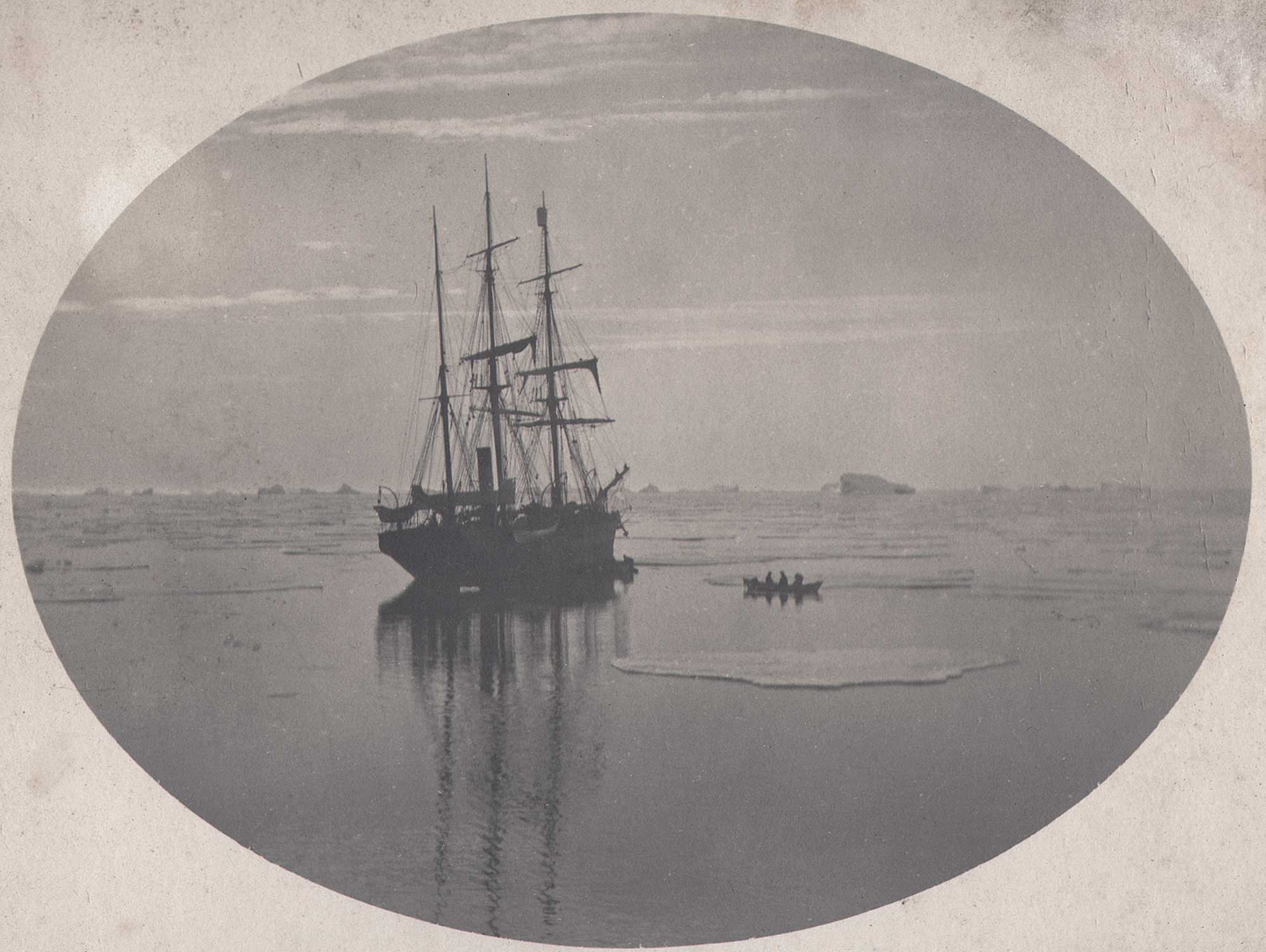
“Windward in Ice at Nerke”, 1901, printed (c. 1901-05) Attributed: Limond Corbin Stone, (1873-1951) American, bromide print, 8.6 x 11.3 | 10.2 x 15.0 cm. Three explorers aboard a launch approach or leave the Windward, then stuck in ice south of the present-day abandoned settlement of Etah in northwestern Greenland. From Boreal Ties: “Explorer Peary’s ship Windward, carrying among other passengers Peary’s wife and daughter, did not return to America as expected in the summer of 1900. So the following summer Peary’s financial backers in New York arranged for a relief party, journeying to the Arctic on the steamer Erik to investigate.” “On August 4, 1901, with the help of the Inuit, the Erik reached the Windward carrying Robert Peary and his wife and daughter. Upon their arrival, the Erik party delivered a letter to Robert Peary notifying him of the death of his mother. According to several accounts, Peary Showed no outward sign of emotion.” (Boreal Ties, p. 26) From: PhotoSeed Archive
Although it’s not known if Limond Stone and Charles Tucker knew each other before the 1901 voyage, public school source books show they were teaching colleagues in New York City public schools. In 1903 they taught at Public School 14 located on Staten Island. Stone was a mathematics instructor and Tucker taught physics. When the new Curtis High School on Staten Island opened in 1904, they both transferred and are listed as teaching there through 1905, with Tucker continuing at Curtis through about 1916.
Approximately 30, 4 x 6” contact-printed bromide and gelatin silver prints attributed to Stone and perhaps others including Frederick Cook from the 1901 Greenland voyage survive, with many titled and several numbered in an unknown hand on the verso of each. Biographical details of the five paying guests are listed at the conclusion of this post.
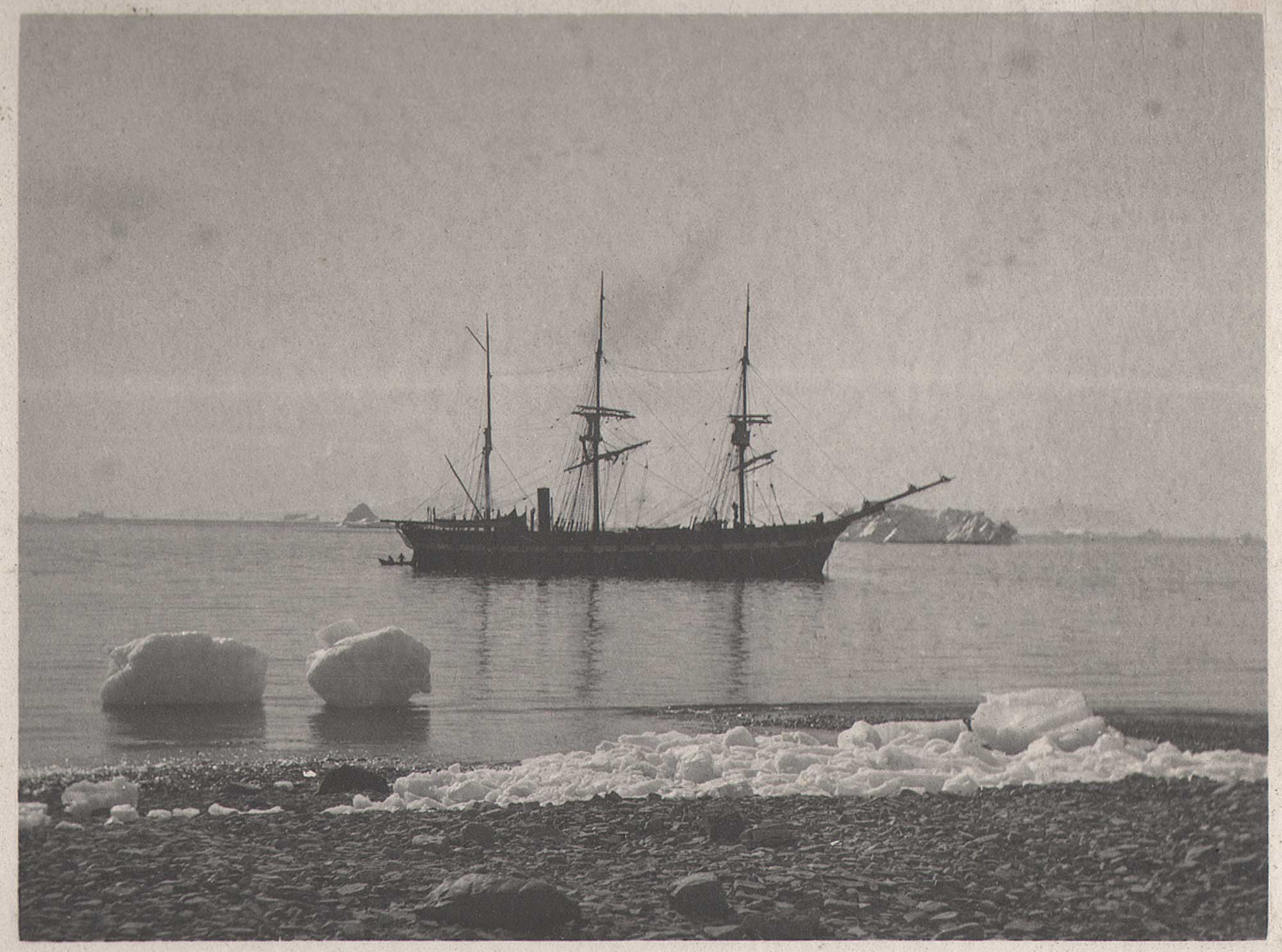
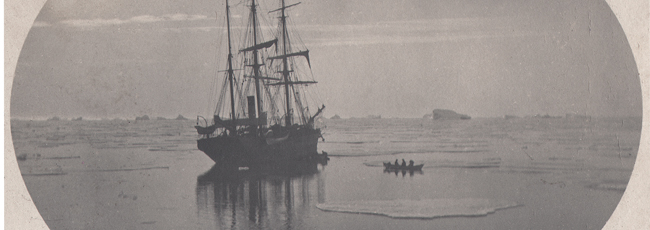
“Erik off Nerke”, 1901, printed (c. 1901-05) Attributed: Limond Corbin Stone, (1873-1951) American, bromide print, 7.2 x 9.7 | 10.2 x 15.0 cm. The SS Erik, a three-masted sailing ship outfitted with a steam engine, is anchored in northwest Greenland, most likely in August, 1901. The following 2013 Swann auction house listing for a compiled album of photographs taken on this expedition includes the following: “No word was heard from any of the Pearys by the end of 1900, so a third relief expedition was sent aboard the ship Erik in 1901 to rescue them. Financed and organized by the Peary Arctic Club, it included a small professional crew and several paying guests who went in search of adventure. The well-heeled guests were soon pressed into duty as seamen and shared in the hunger as supplies ran short. When they finally found the Pearys and Henson (Matthew-editor) in August 1901, Peary once again refused to head south, hoping to make another attempt at the North Pole. The relief party spent a few weeks hunting walrus to replenish Peary’s food stores and then sailed south with Josephine and Marie on board.” Published: “Off the Alaskan Coast” (sic), “The White World: Life and Adventures Within the Arctic Circle” Collected and Arranged for The Arctic Club By Rudolf Kersting, New York: Lewis, Scribner & Co. 1902, p. 122. From: PhotoSeed Archive
In this photographic essay, you will be introduced to Ootoniah, (Ootah) (1.) Robert Peary’s Inuit guide, hunter and friend who joined him in later reaching what was thought to be the North Pole. Enjoy these artistic, topographic and ethnological documents from the proud territory of Greenland: a remote and beautiful part of our Arctic world, then and now.
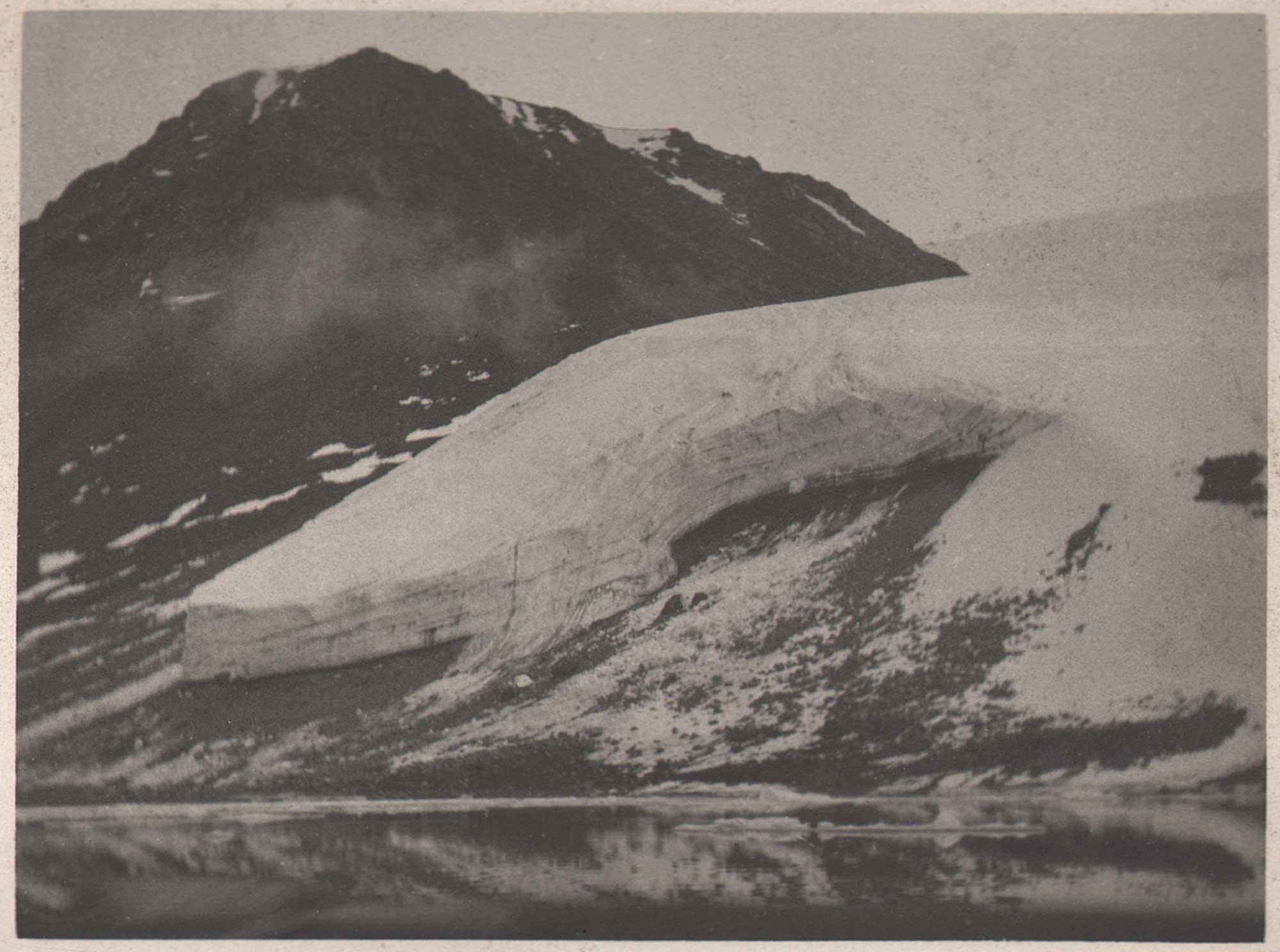
“Glacier at Ooiaksua (?) Smith Sound”, 1901, printed (c. 1901-05) Attributed: Limond Corbin Stone, (1873-1951) American, bromide print, 7.2 x 9.7 | 10.2 x 15.0 cm. From: PhotoSeed Archive
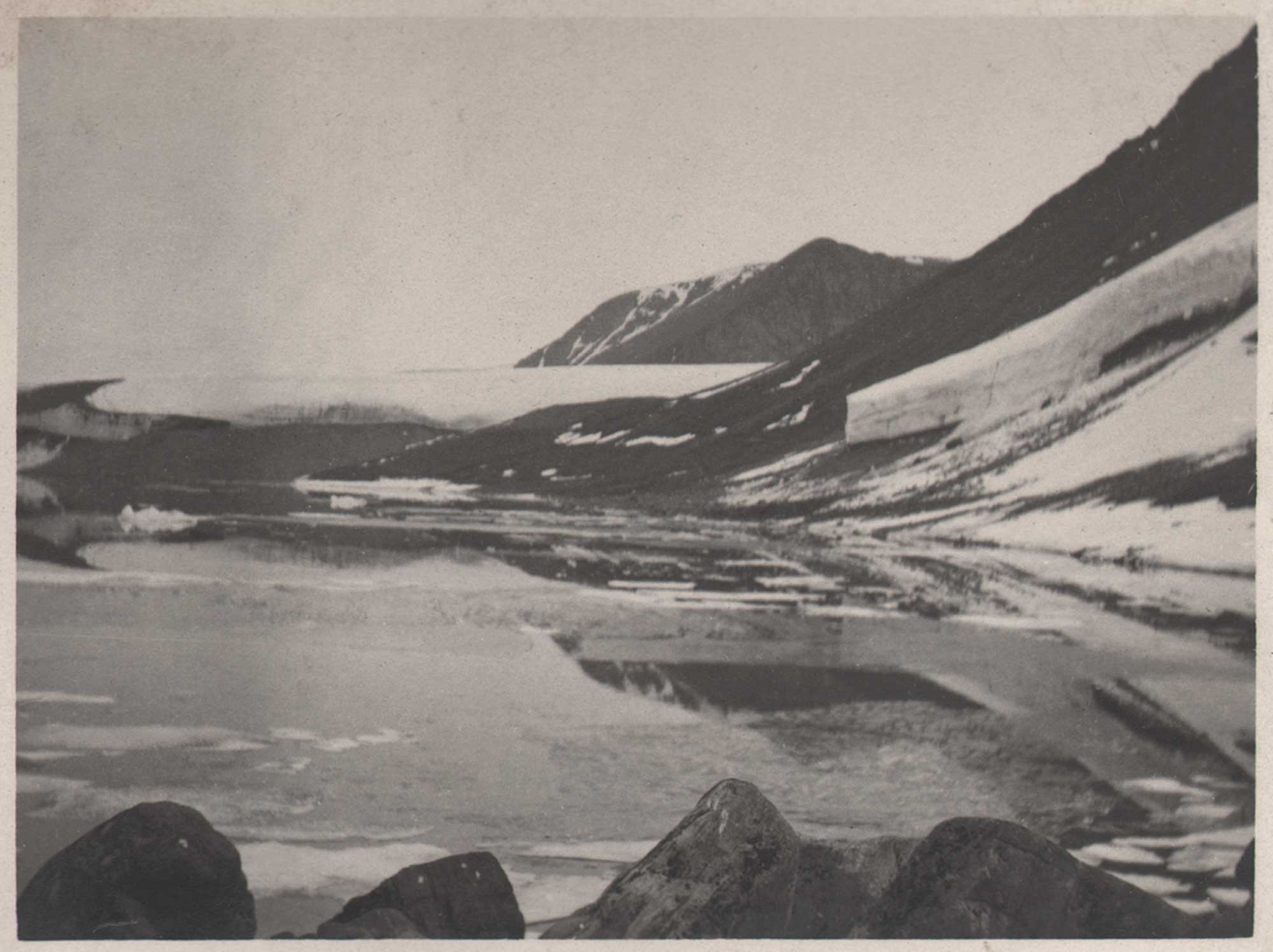
“Glacier at Ooiaksua (?) Smith Sound”, 1901, printed (c. 1901-05) Attributed: Limond Corbin Stone, (1873-1951) American, bromide print, 7.2 x 9.7 | 10.2 x 15.0 cm. From: PhotoSeed Archive
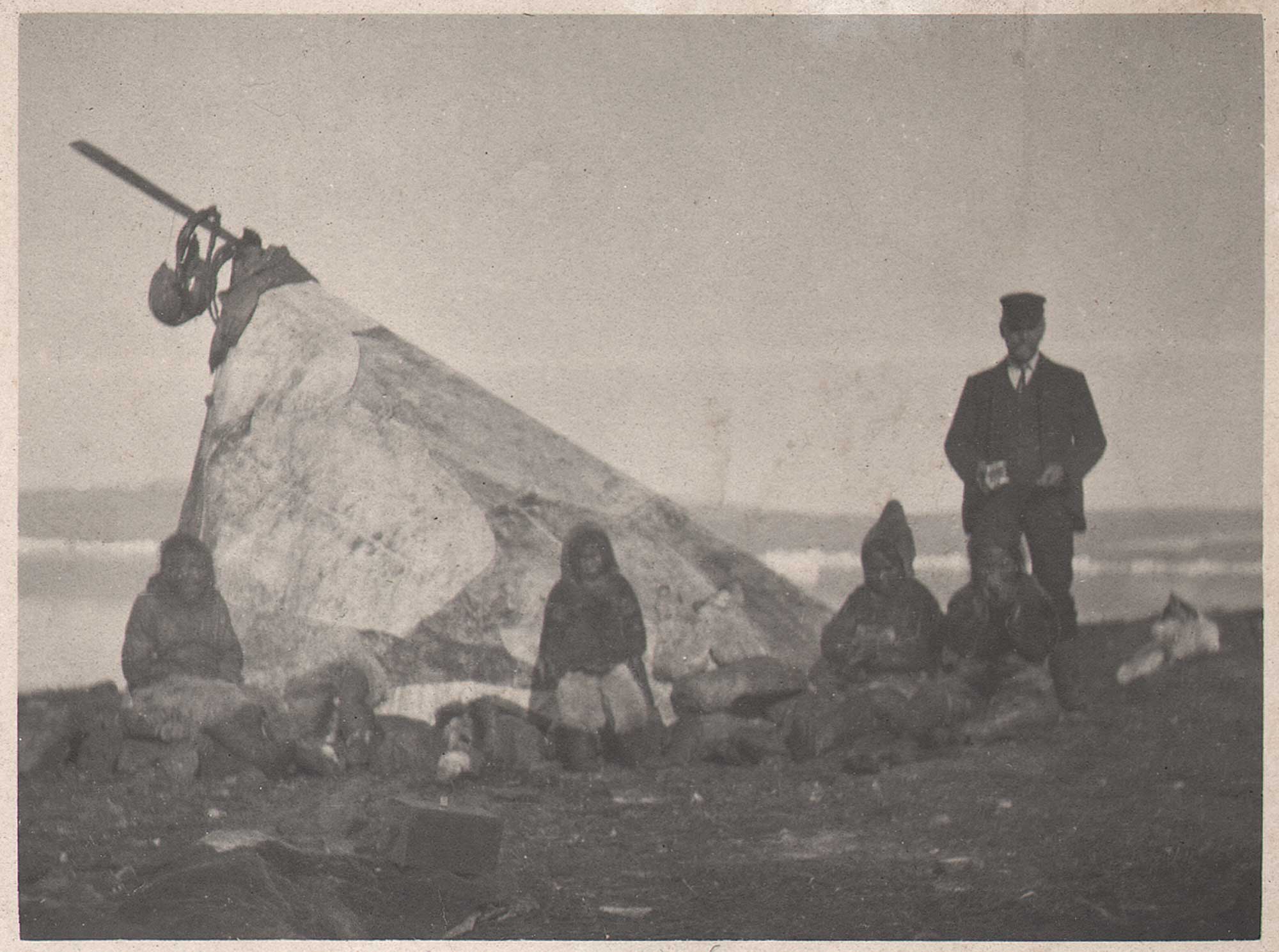
“Esquimaux tent at Oomenai (?)”, 1901, printed (c. 1901-05) Attributed: Limond Corbin Stone, (1873-1951) American, bromide print, 7.2 x 9.7 | 10.2 x 15.0 cm. A variant photograph: “Inuit tupik” {tent} (B306) FAC was taken by Dr. Frederick A. Cook showing the same tent published in Boreal Ties, p. 114. Four members of an Inuit family are seated on rocks surrounding their tent. At right is Charles Fullerton, (d. 1941) the chief engineer for the 1901 relief expedition. From the Wyckoff Diary published in Boreal Ties: “The engineer is a Scotchman and a good fellow and apparently competent, but his engines are of the vintage of ’76 and he is naturally handicapped.” (p. 142) Fullerton resided in Halifax, Nova Scotia. A box camera rests on rocks at left foreground. From: PhotoSeed Archive
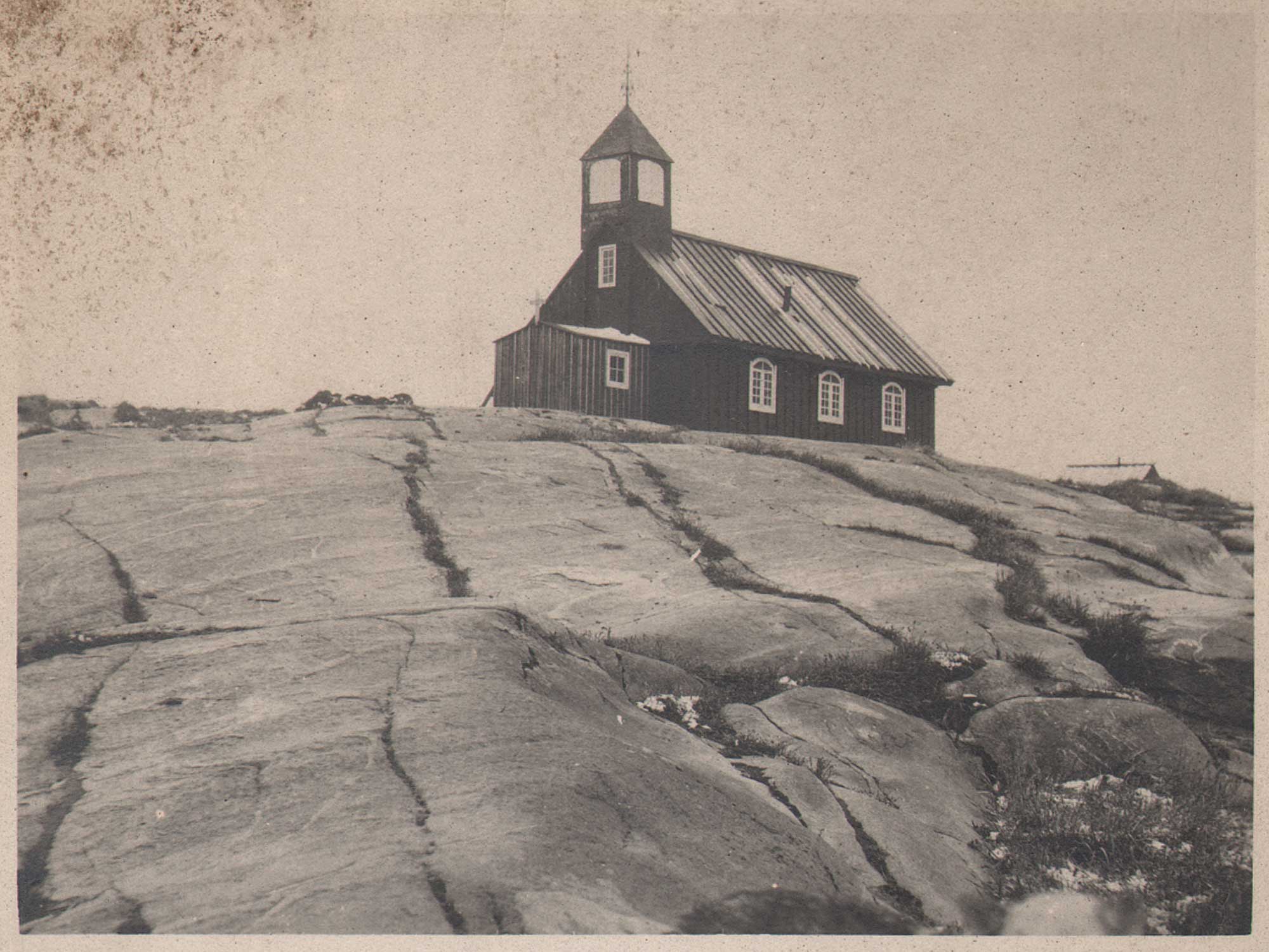
“Church at Godhavyn”, 1901, printed (c. 1901-05) Attributed: Limond Corbin Stone, (1873-1951) American, bromide print, 7.2 x 9.7 | 10.2 x 15.0 cm. A cross can be seen above the separate entrance to this wood church located on Disko Island. Known today as Qeqertarsuaq, (historically known as Godhavn) it is a port and town in Qeqertalik municipality, located on the south coast of Disko Island on the west coast of Greenland. The church, which may not be standing today, was built at least 25 years earlier from when this photo was taken by Stone, appearing as a photographic plate by George Rexworthy De Wilde (1832/3–1906) in the 1876 volume Cruise of the ‘Pandora’. Extracts from the Private Journal kept by Allen Young. London: William Clowes & Sons. From: PhotoSeed Archive
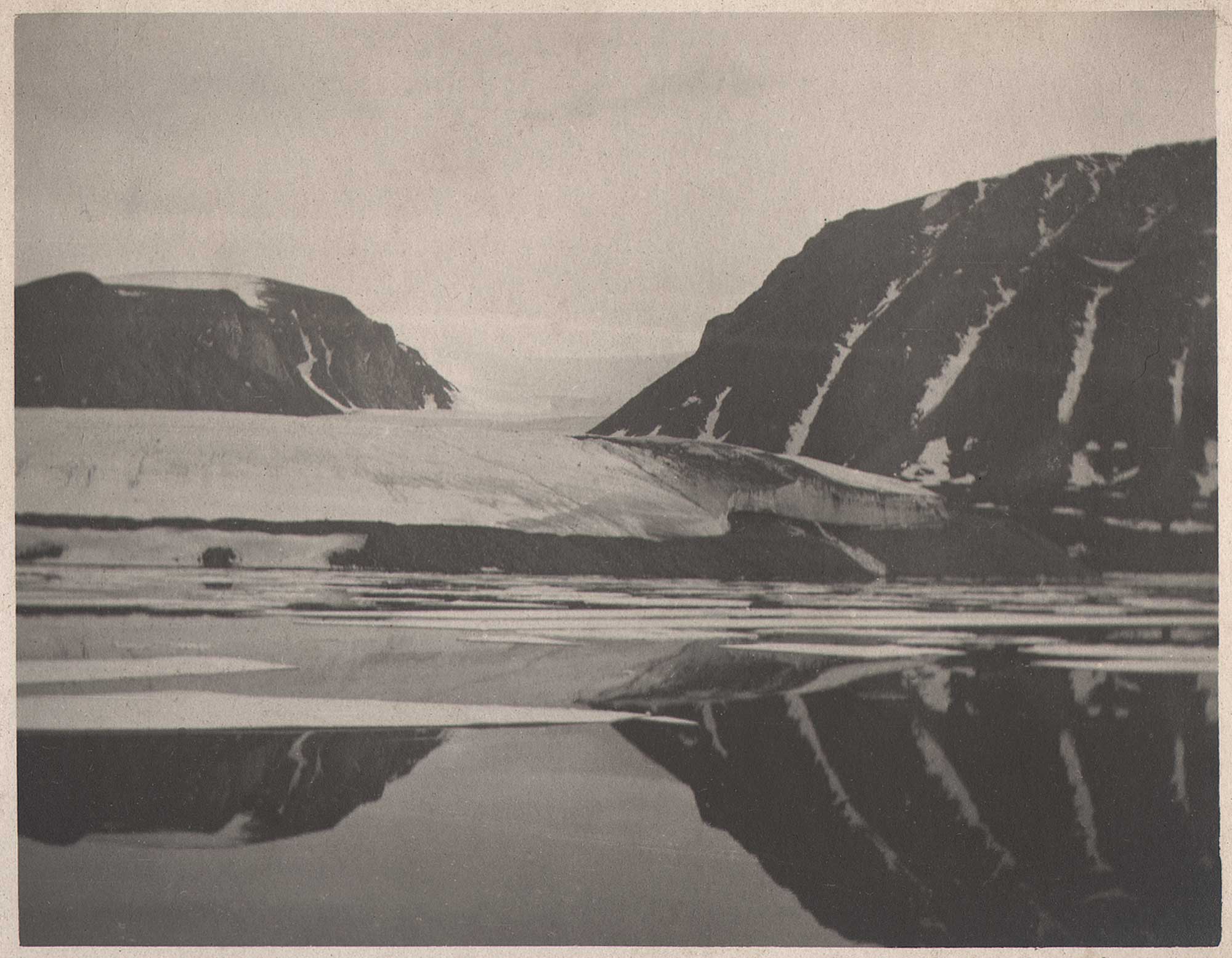
“Glacier and Moraines -Smith Sound”, 1901, printed (c. 1901-05) Attributed: Limond Corbin Stone, (1873-1951) American, bromide print, 8.8 x 11.3 | 10.2 x 15.0 cm. A pleasing reflection in the waters of Smith Sound, “an Arctic sea passage between Greenland and Nunavut’s northernmost island, Ellesmere Island. It links Baffin Bay with Kane Basin and forms part of the Nares Strait. On the Canadian side it extends from Cape Sabine in the north to Cape Isabella in the south. On the Greenland side of the sound were the now abandoned settlements of Etah and Annoatok.” From: PhotoSeed Archive
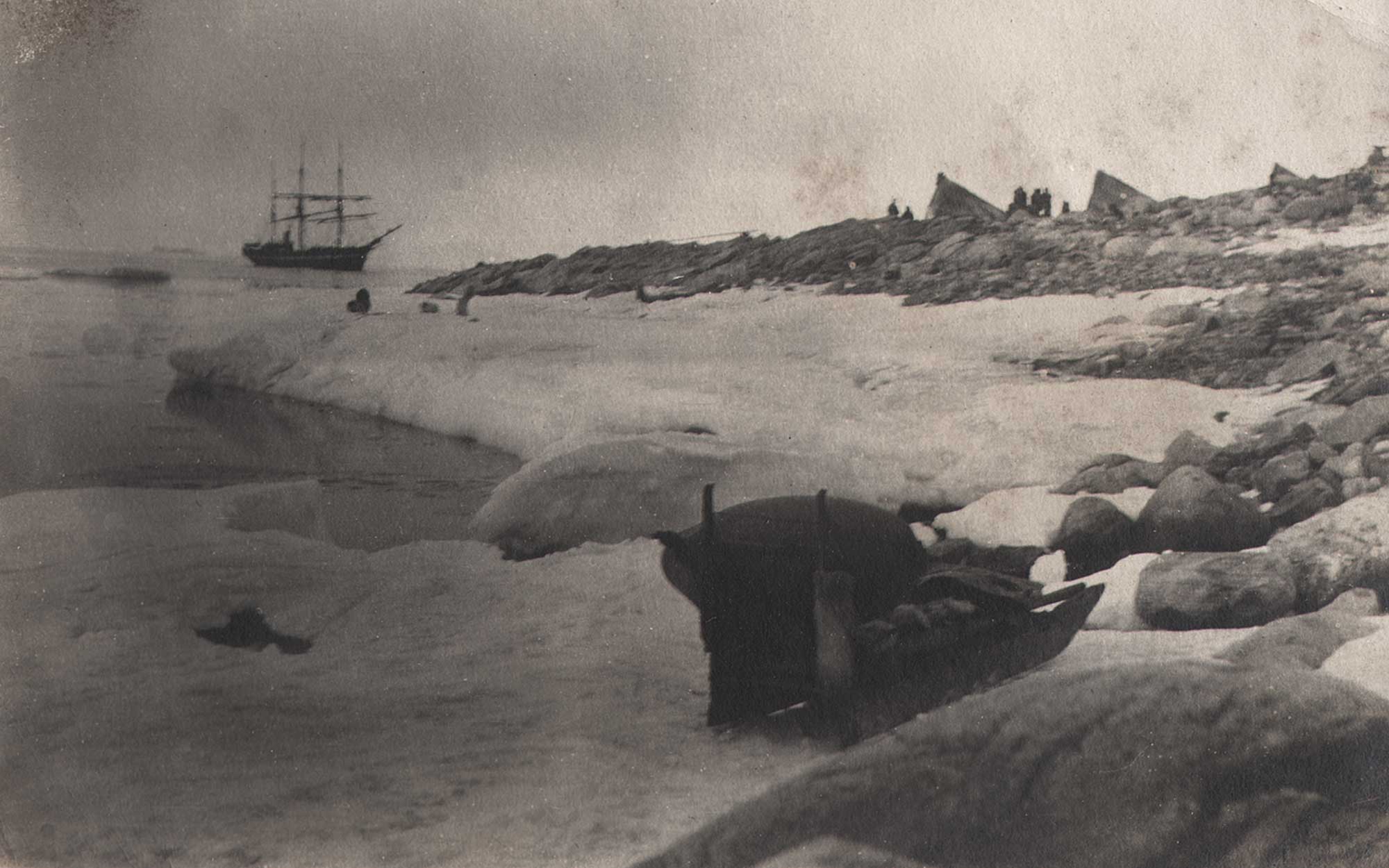
“Shoreline Scene with the Erik & Sledge”, 1901, printed (c. 1901-05) Attributed: Limond Corbin Stone, (1873-1951) American, gelatin silver contact print, 9.5 x 12.2 | 10.1 x 12.6 cm. The SS Erik is anchored in the background off an unknown area of the Greenlandic coastline. Several Inuit sealskin tents, known as tupiq, rise above the rocky shoreline at right background while a loaded sledge at foreground awaits a team of Huskies. Presented slightly cropped, a possibility exists this photograph was taken by Clarence Wyckoff, who used a #4 Cartridge Kodak producing 4 x 5” images on the trip. From: PhotoSeed Archive
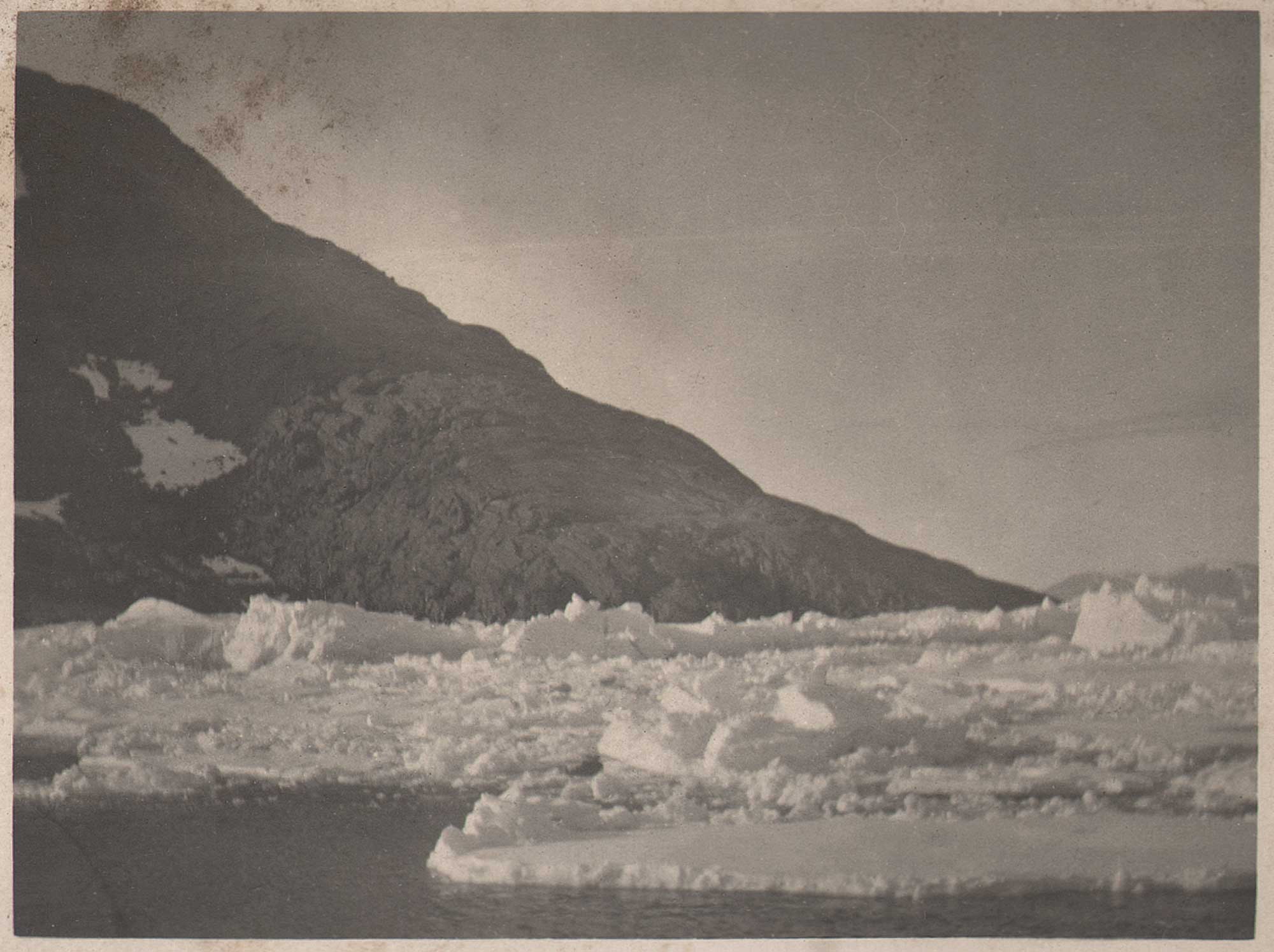
“Cape Le Conte, Farthest North”, 1901, printed (c. 1901-05) Attributed: Limond Corbin Stone, (1873-1951) American, bromide print, 7.2 x 9.7 | 10.2 x 15.0 cm. The Erik found itself navigating treacherous ice flows while in Greenland. From photographer Bement’s diary in Boreal Ties: “The ship was forced in a niagara of ice for fully five miles, at great peril sweeping everything before it.” This photograph depicts Herschel Bay ice flows. A variant image shows the same view from the Erik & published as a halftone titled “Herschel Bay and Cape Le Conte, its northern Point” in Harper’s Weekly, October 26, 1901, p. 1075. From: PhotoSeed Archive
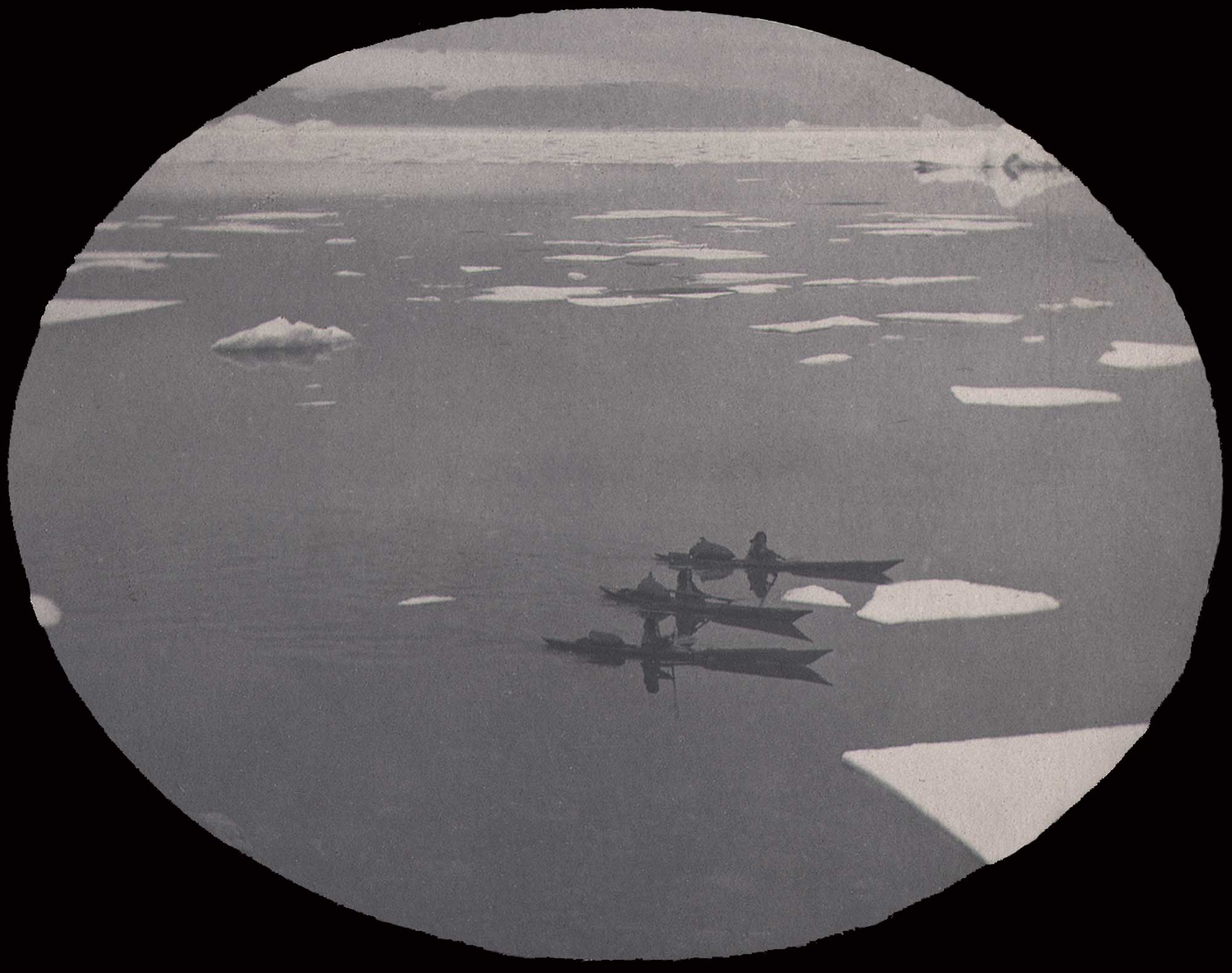
“Kayaks off Ooistona (?)”, 1901, printed (c. 1901-05) Attributed: Limond Corbin Stone, (1873-1951) American, bromide or platinum print, 7.3 x 9.3 cm. A hunting party of three Inuit navigate ice flows in their traditional qajaq (kayak) boats. The vessels are made from bent driftwood or whalebone; assembled with wood pegs and leather ties and covered with stitched sealskin that has been oiled using animal fat like seal or whale to make it waterproof. On the back of each kayak are sealskin floats known as avataq. From Weber Arctic we learn: “Inuk hunters filled seal skins with air and sewed them closed as a sort of ‘buoy’. These seal skin floats were then attached to spears so that when hit, the animal couldn’t dive back down to the ocean floor. Instead, they were held up by the float, allowing the hunter to retrieve it.” From: PhotoSeed Archive
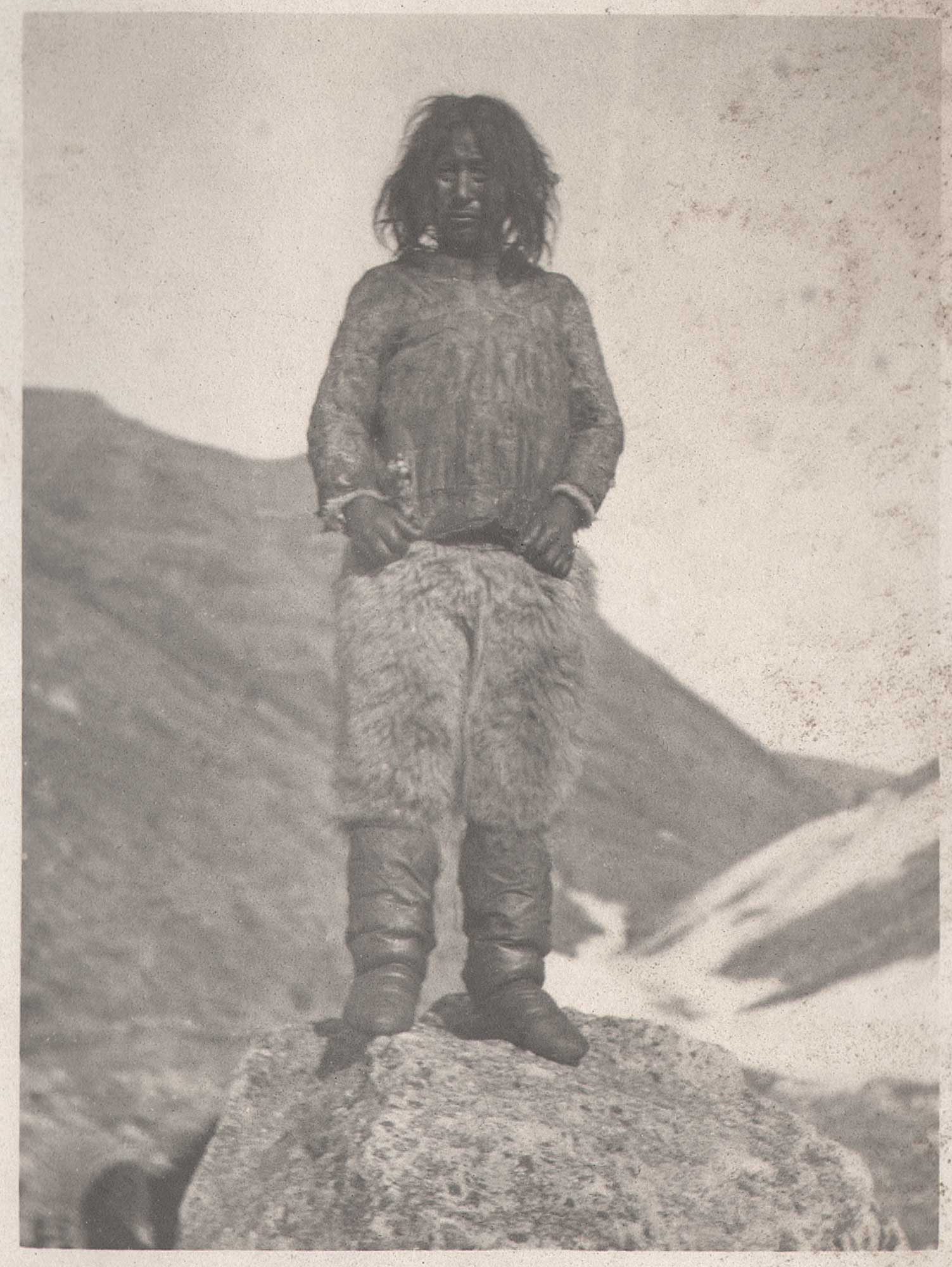
“Ootoniah”, 1901, printed (c. 1901-05) Attributed: Limond Corbin Stone, (1873-1951) American, bromide print, 9.7 x 7.2 | 15.0 x 10.2 cm. In his article “The People of the Farthest North”, published in Everybody’s Magazine in January, 1902, Dr. Frederick Cook included a variant portrait photograph of Ootoniah, with the caption stating: “Ootoniah, A Great Hunter, and Faithful Friend of Lieutenant Peary”. (p. 20) Along with Robert E. Peary and Matthew Henson, and better known today as Ootah, he and three other Inuit explorers (Egigingwah, Seegloo, & Ooqueah) were the first to reach what was then believed to be the North Pole on April 6, 1909. From: PhotoSeed Archive
Amateur Photographers: 1901 Peary Relief Expedition
(6): Dr. Frederick A. Cook. (1865-1940) Physician and Second in Command; Guests: Louis C. Bement, (1865-1933) & Clarence Frederick Wyckoff. 1876-1933 From Boreal Ties: “Unlike Clarence, who had inherited $1 million from his father’s investment in Remington Typewriter and, at 25, had eagerly plowed his fortune into patent medicines and real estate, Louie was a man of ordinary means who made his living selling hats.” Guest: Professor Limond Corbin Stone, (1873–1951): Stone “was Herbert Berri’s professor at the Polytechnic Institute in New York.” (Boreal Ties, p. 8) Guest: Alfred Whiting Church. (1877-1953) A graduate of Cornell, he was originally from Elgin, IL & the grandson of Borden Milk Company founder Gail Borden. Guest: Herbert Berri. (1881-1948) Berri “was the son of William Berri who owned Brooklyn’s The Standard Union newspaper.” Although these photographs attributed by this archive to Stone show oval masks were used in cropping the negatives on several, it’s interesting to note Boreal Ties states: “Wyckoff chose to crop the corners of several of his photographs, or cut them in oval or circular shapes for stylistic reasons.” (p. 12)
- The two photographs in this archive and this post include the name Ootoniah written in an unknown hand, (but perhaps the photographer) on the verso of each. It is assumed this is accurate given the 1902 Everybody’s Magazine variant photo of Ootoniah by Dr. Cook. However, another photograph showing an Inuit gentleman in a crouching position published in the volume Boreal Ties is believed to be the same as Ootoniah, although he is identified as Ootoonioksuah: Inuk from Cape York, and given a photo credit to Cook.